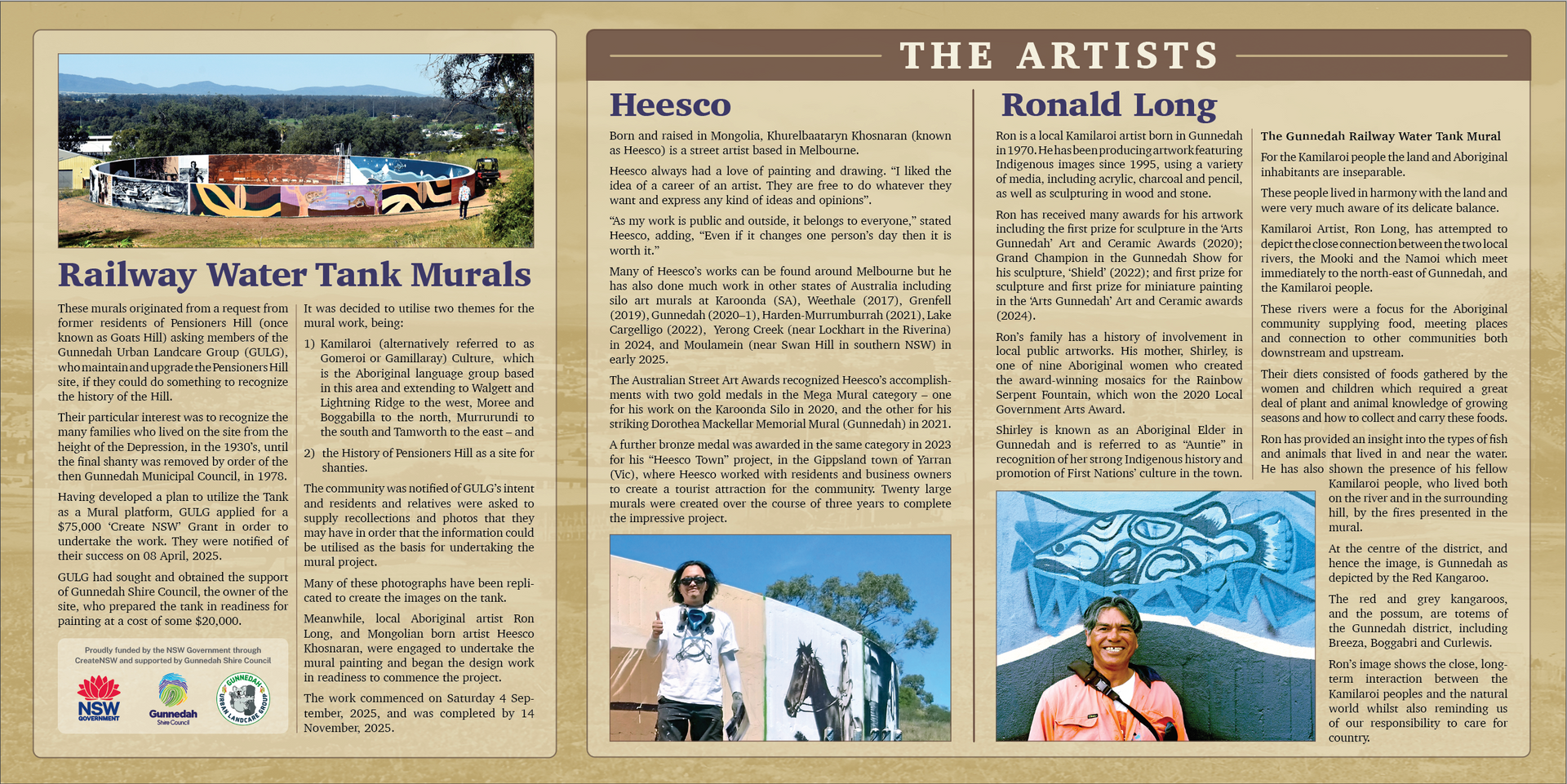
Photo by: Owen Hasler
Gunnedah Water Tank Art - New South Wales
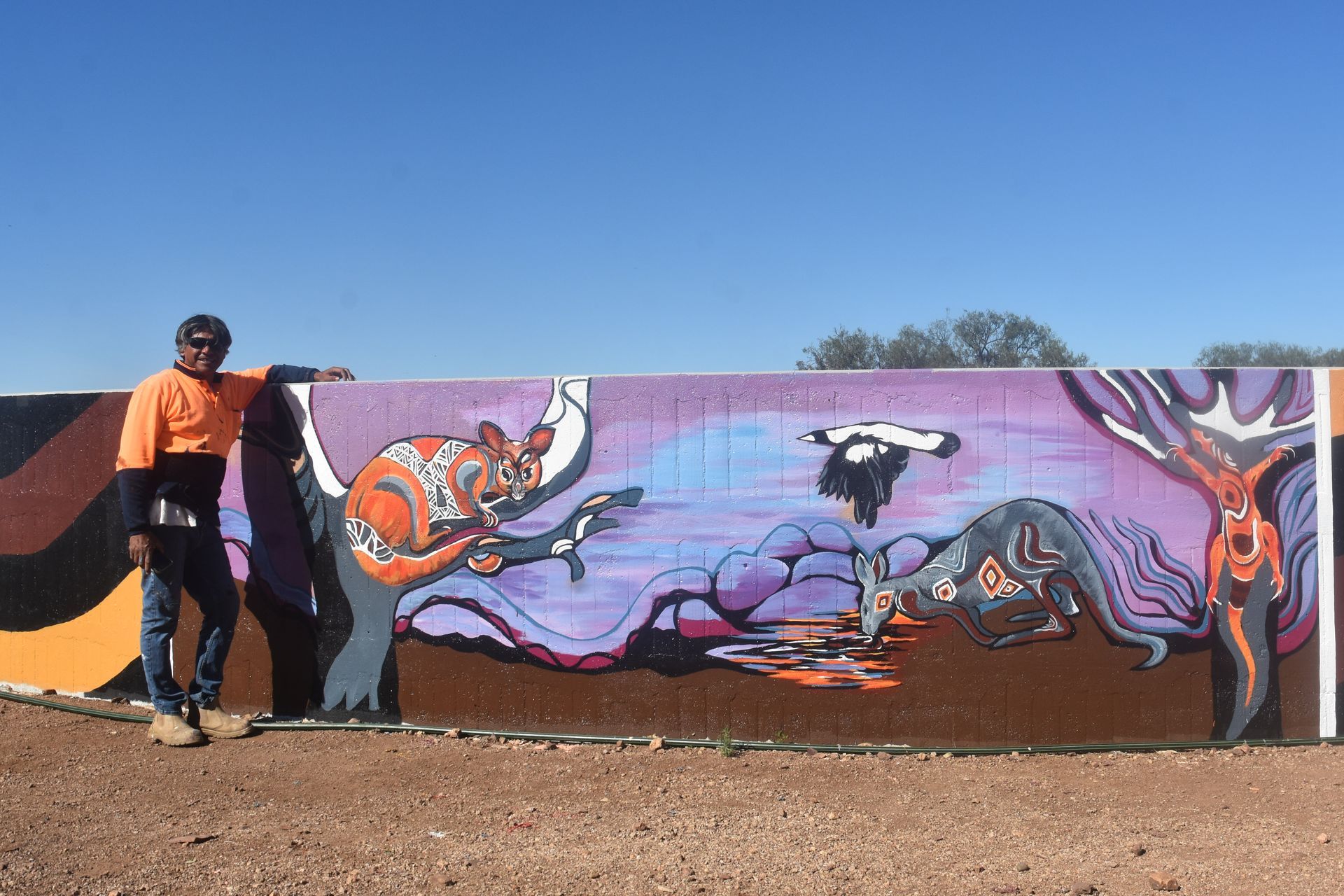
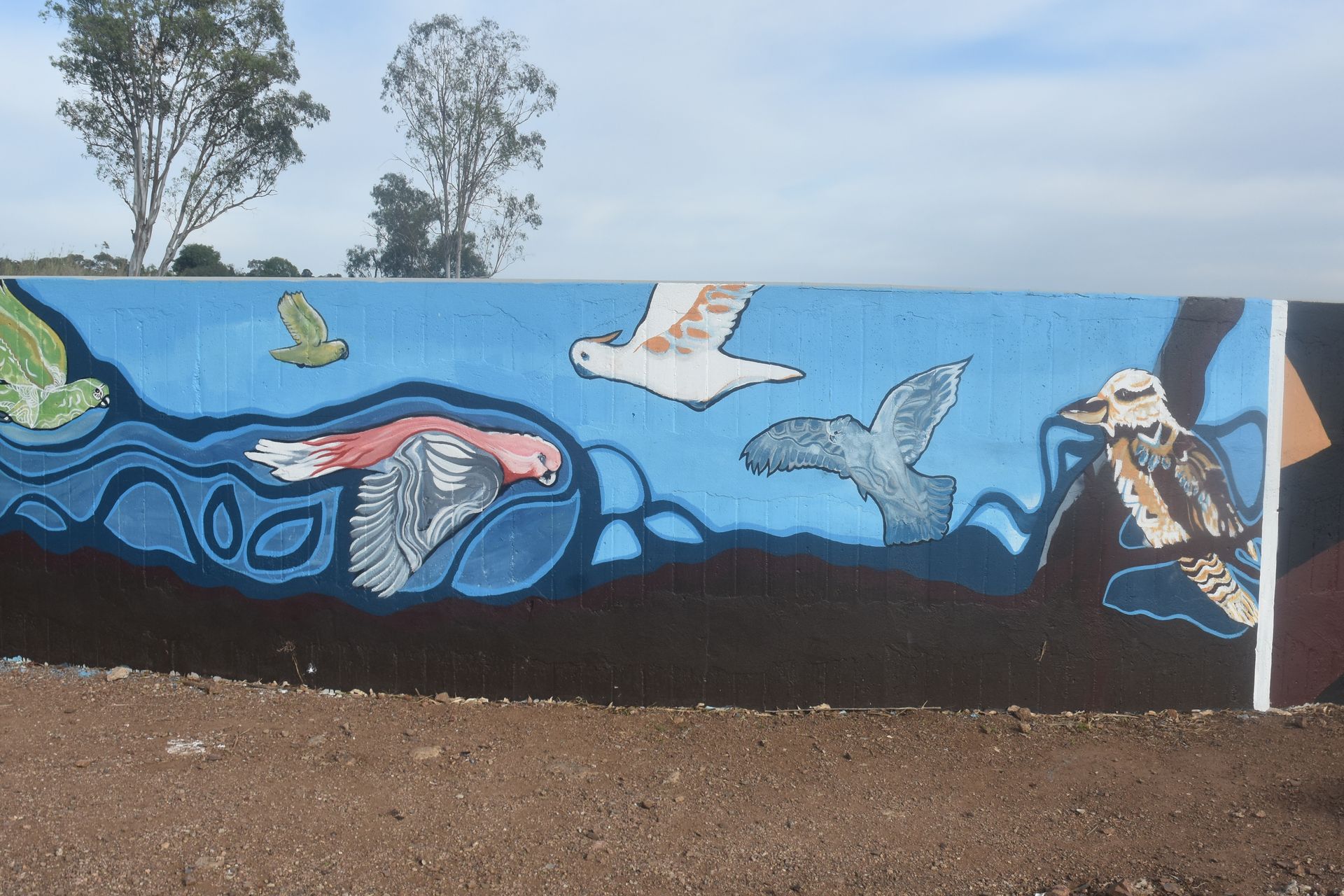
Artists: Heesco & Ronnie Long
Location: Pensioners Hill, Gunnedah, New South Wales
Completed September 2025
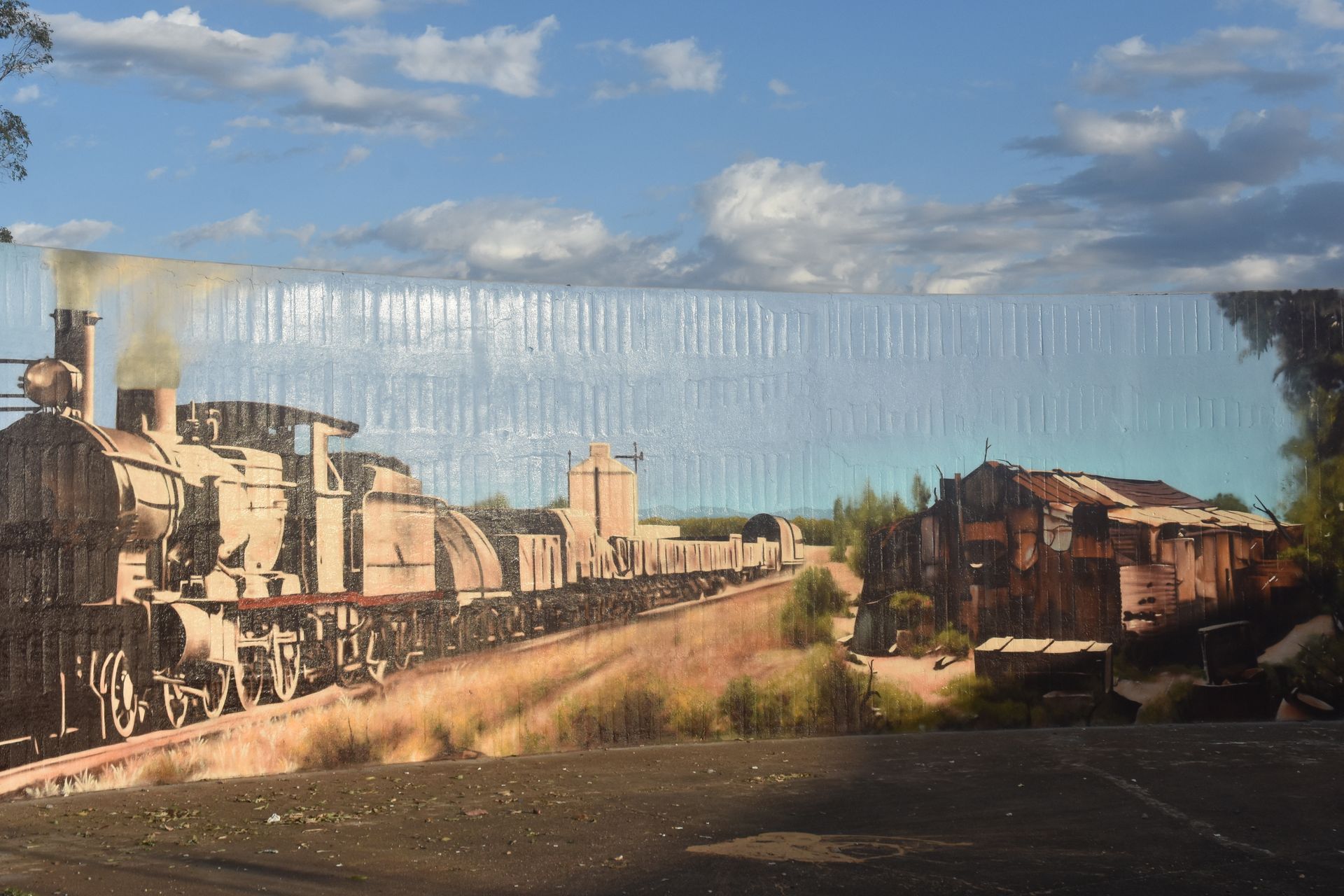
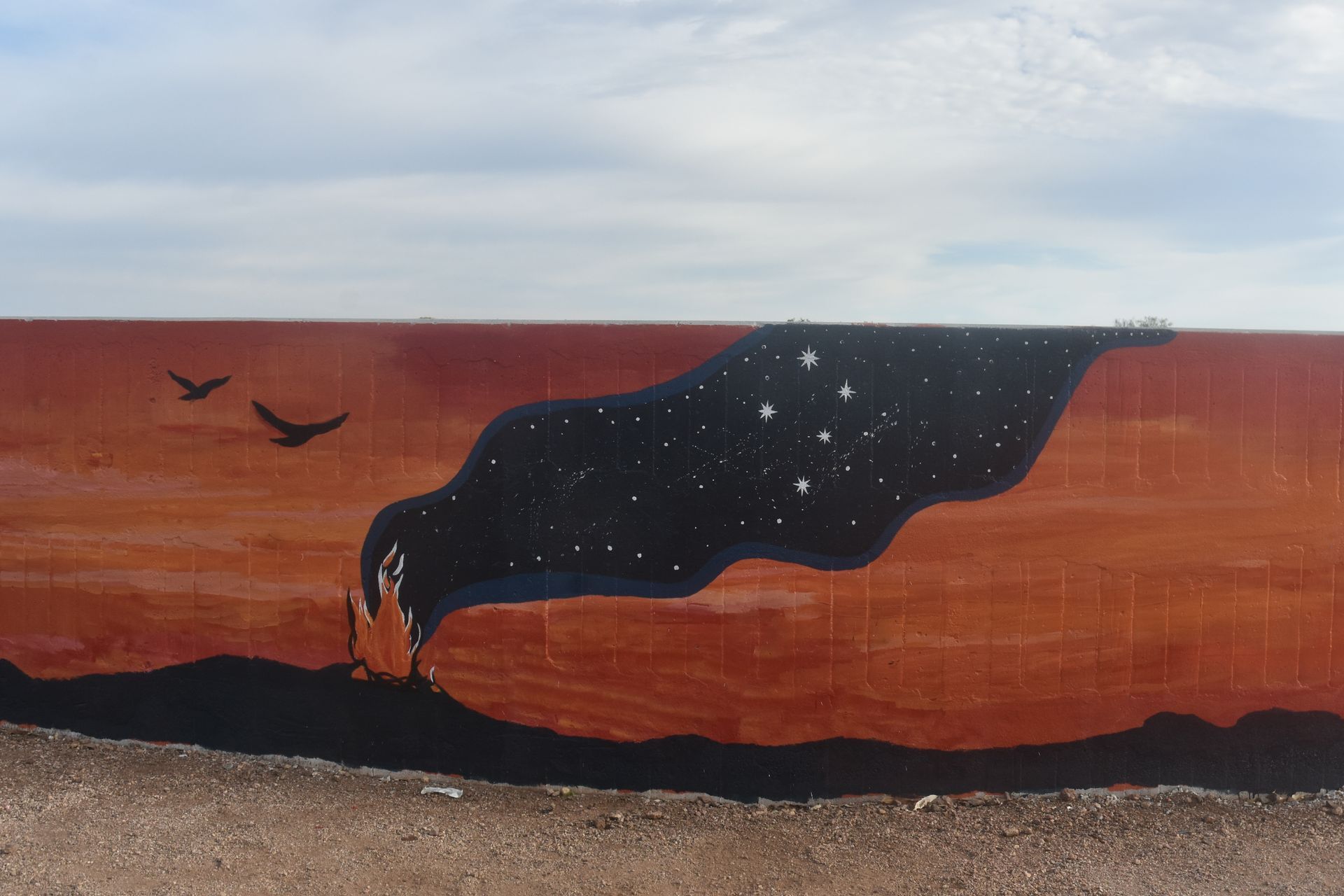
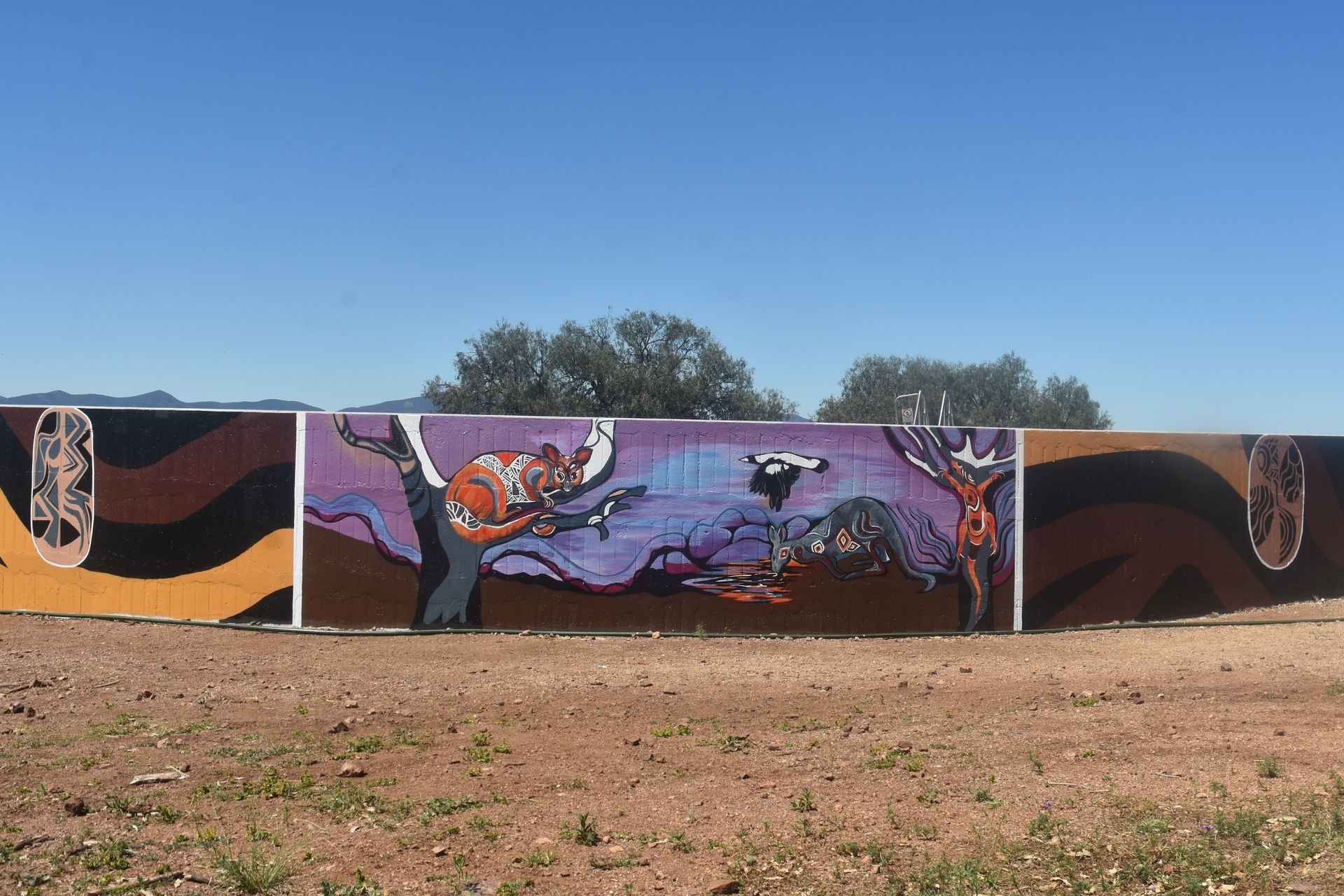
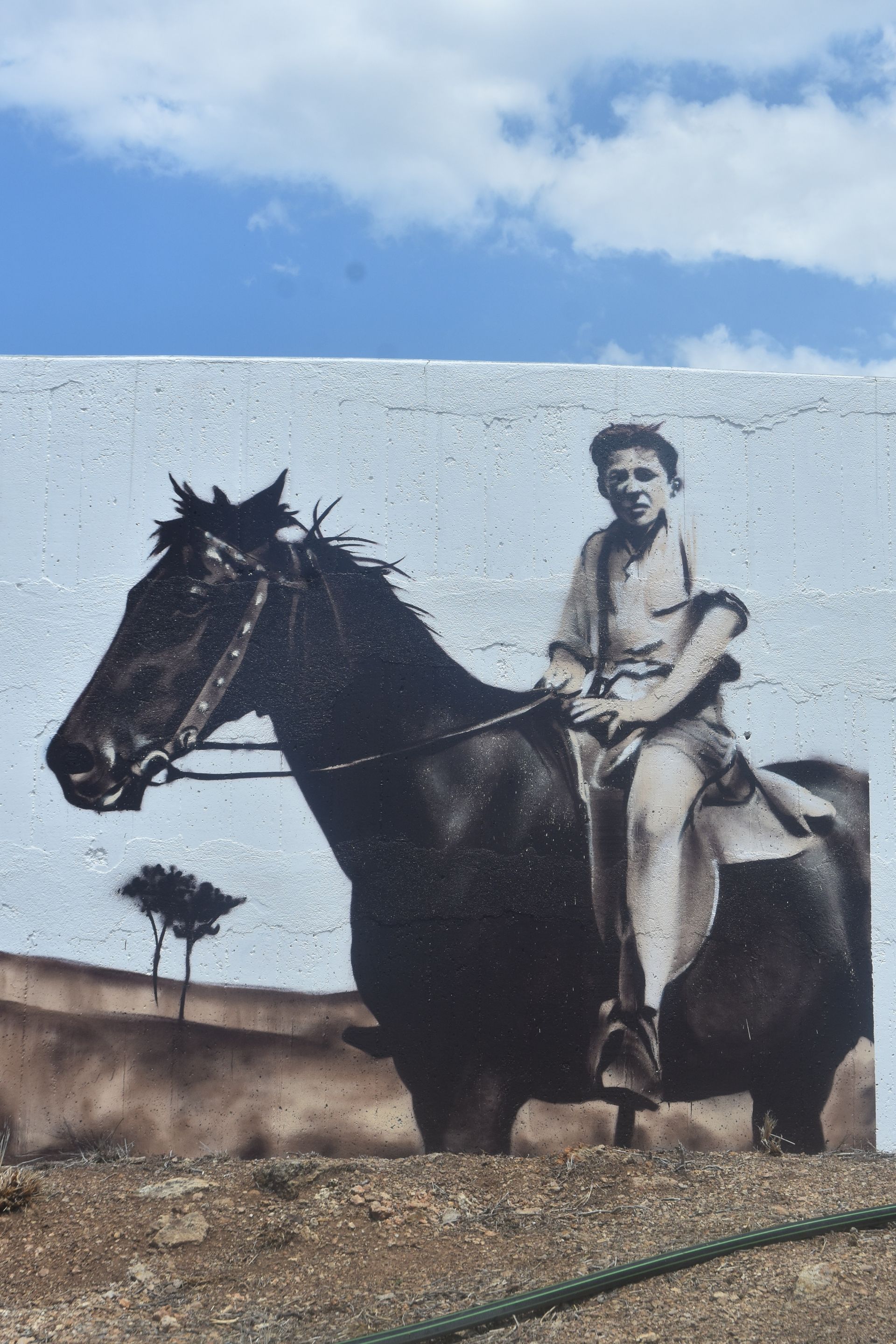
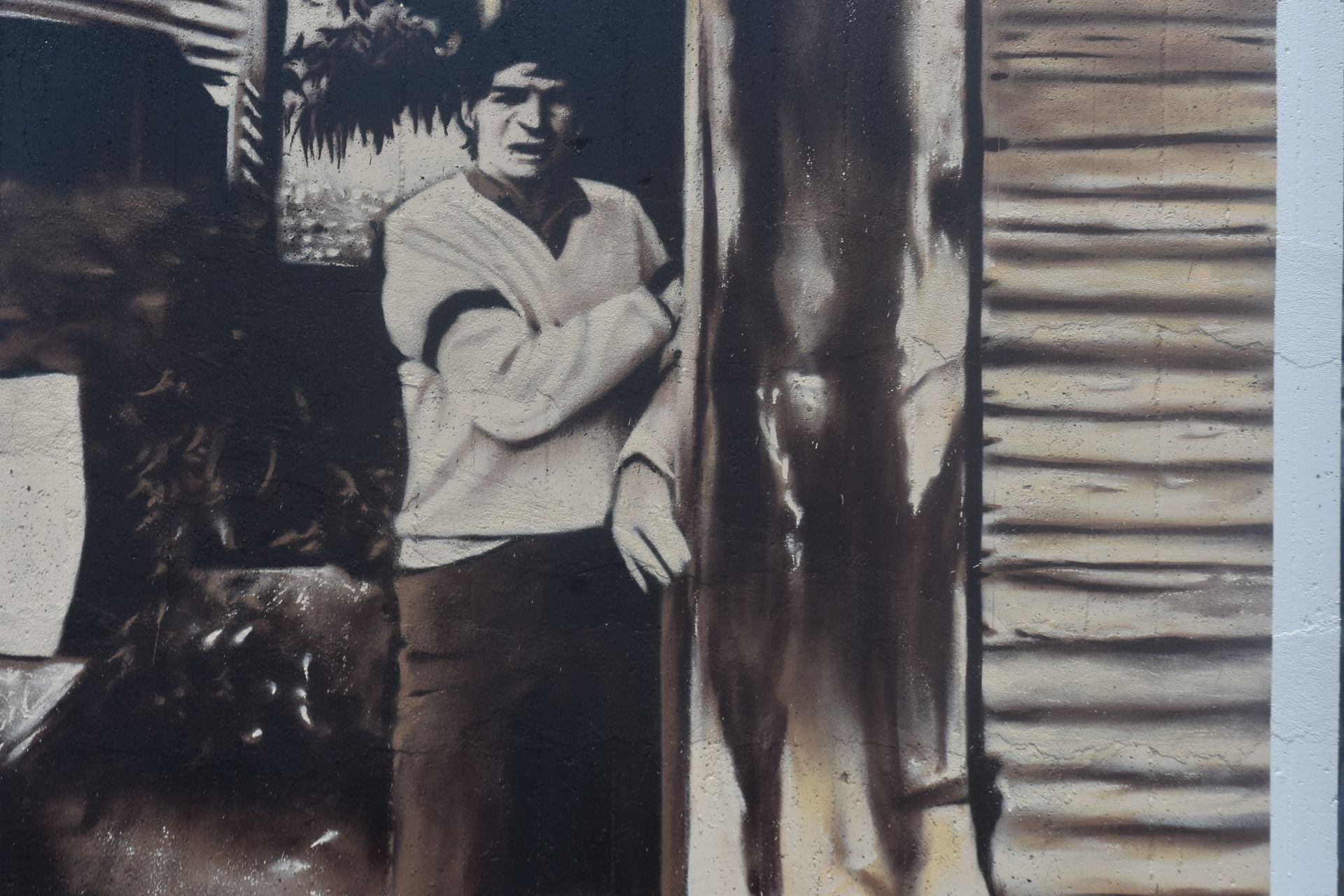
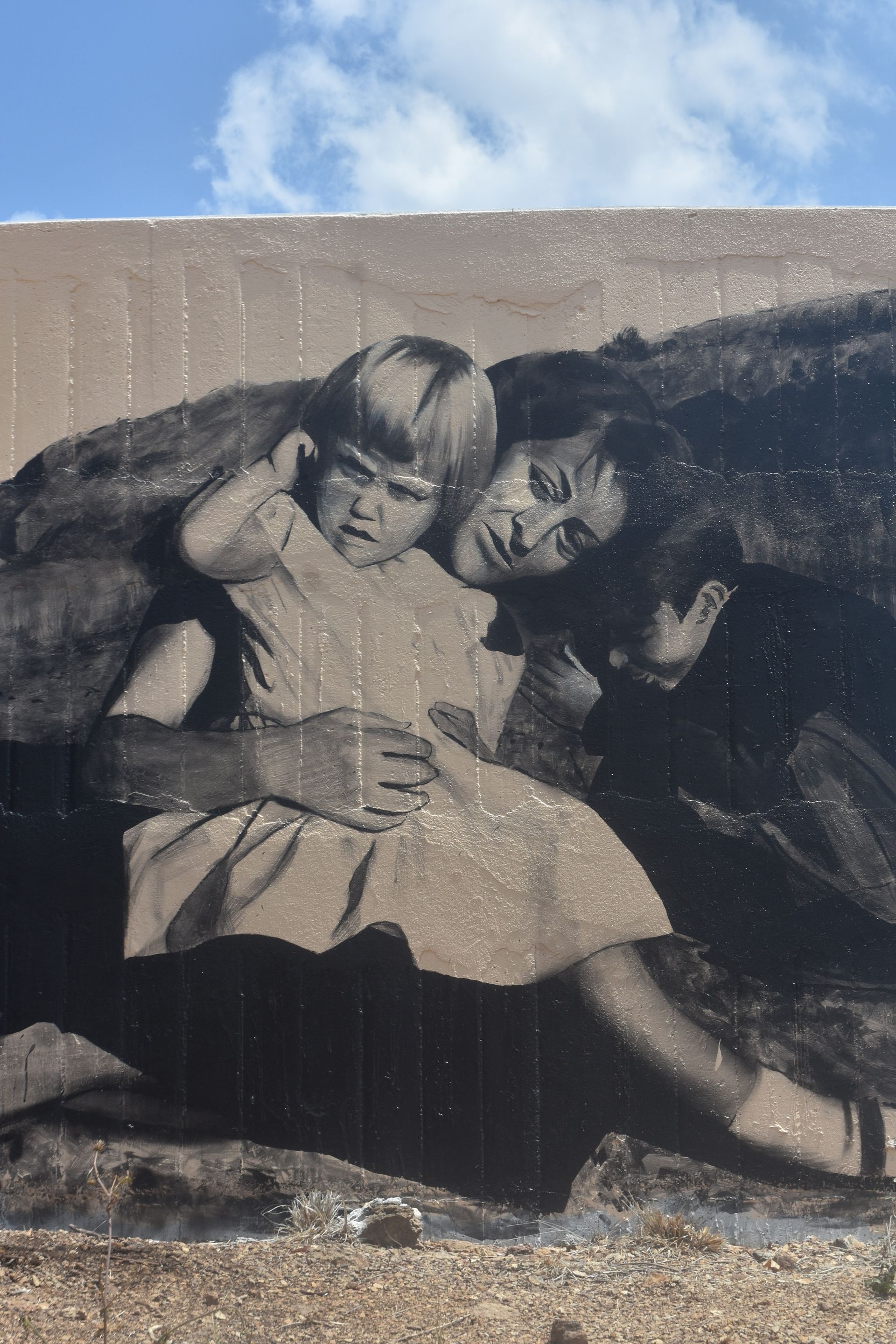
Renowned mural artist Heesco returned to Gunnedah, this time to transform the Pensioners Hill water tank into a striking piece of community art.
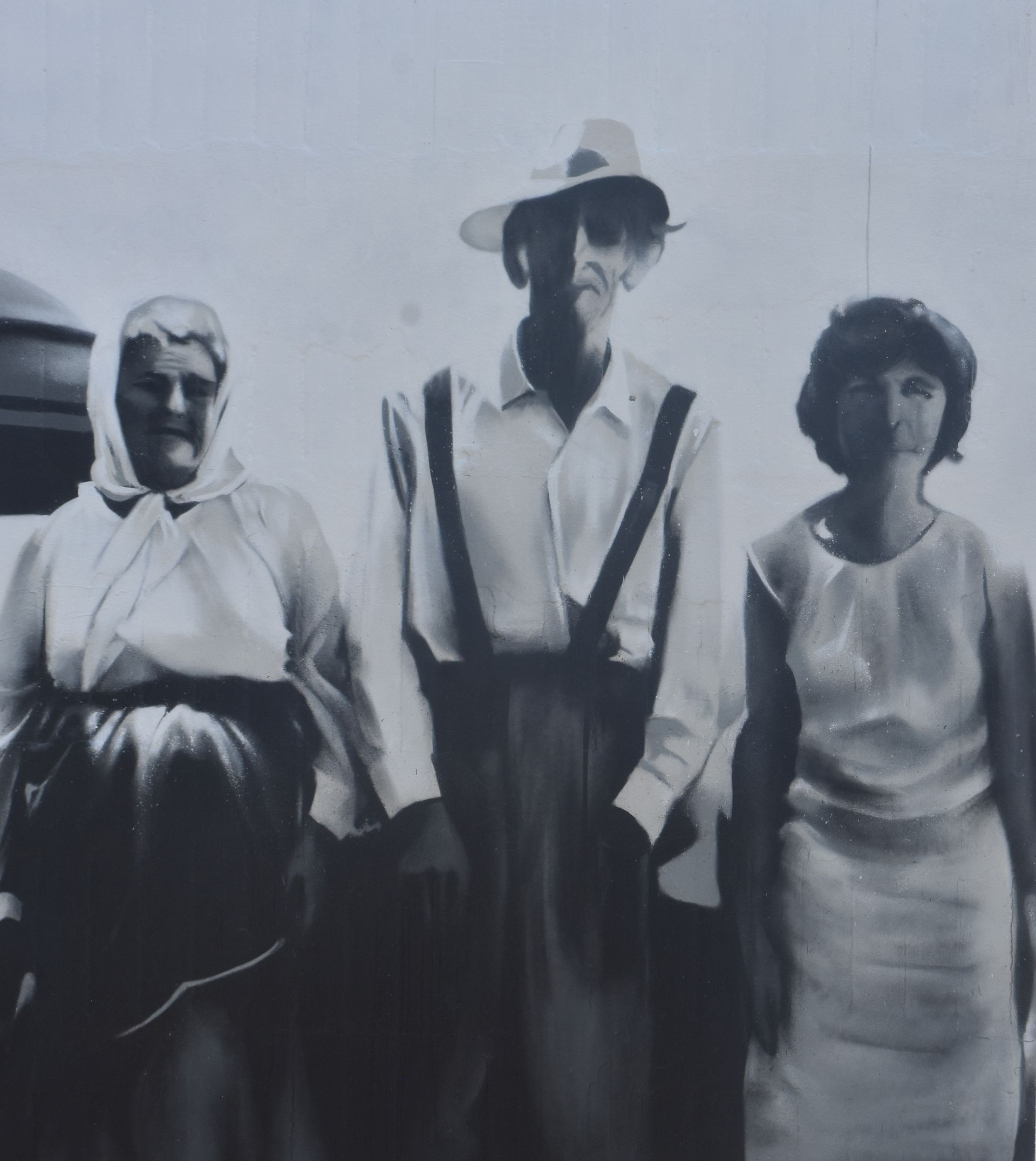
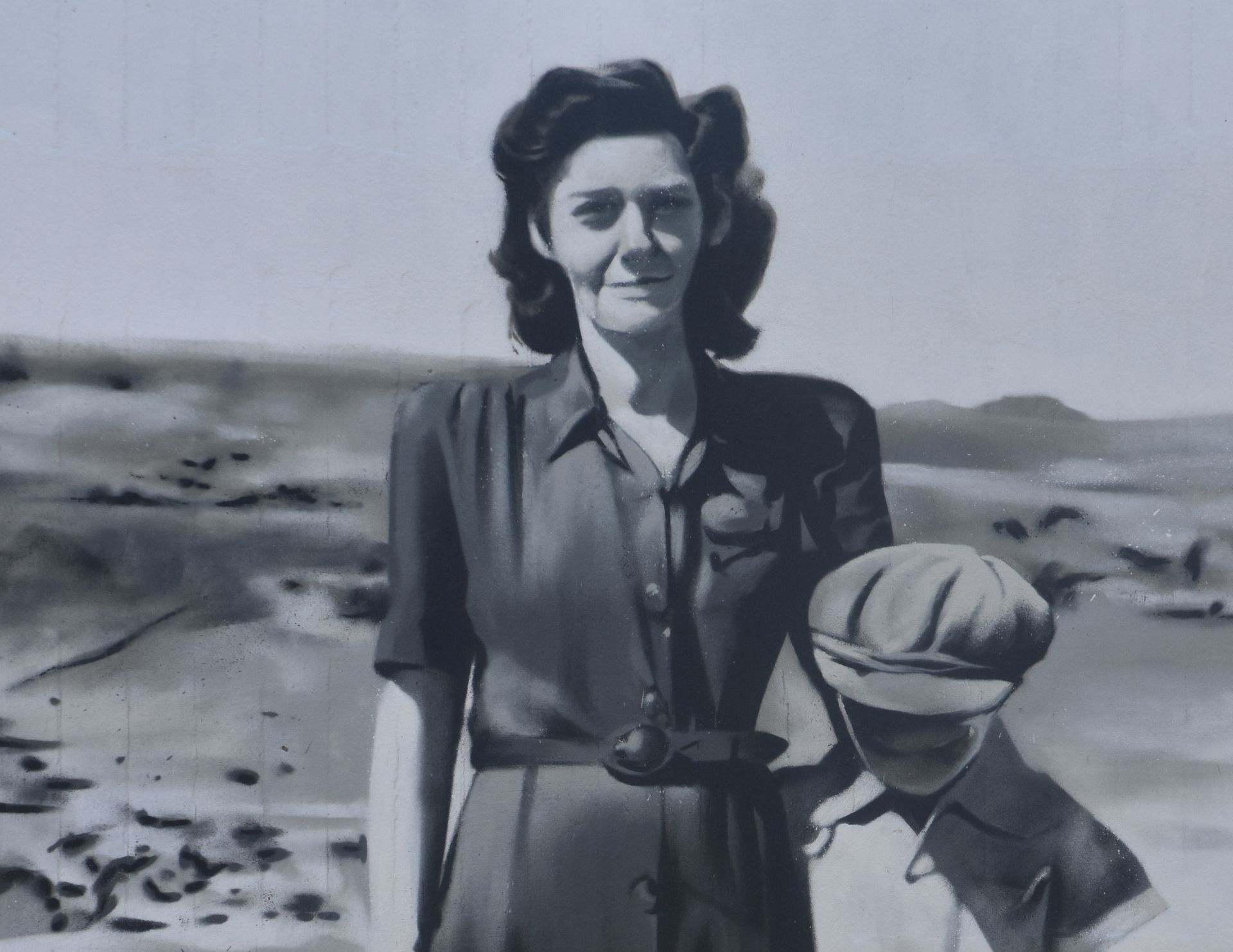
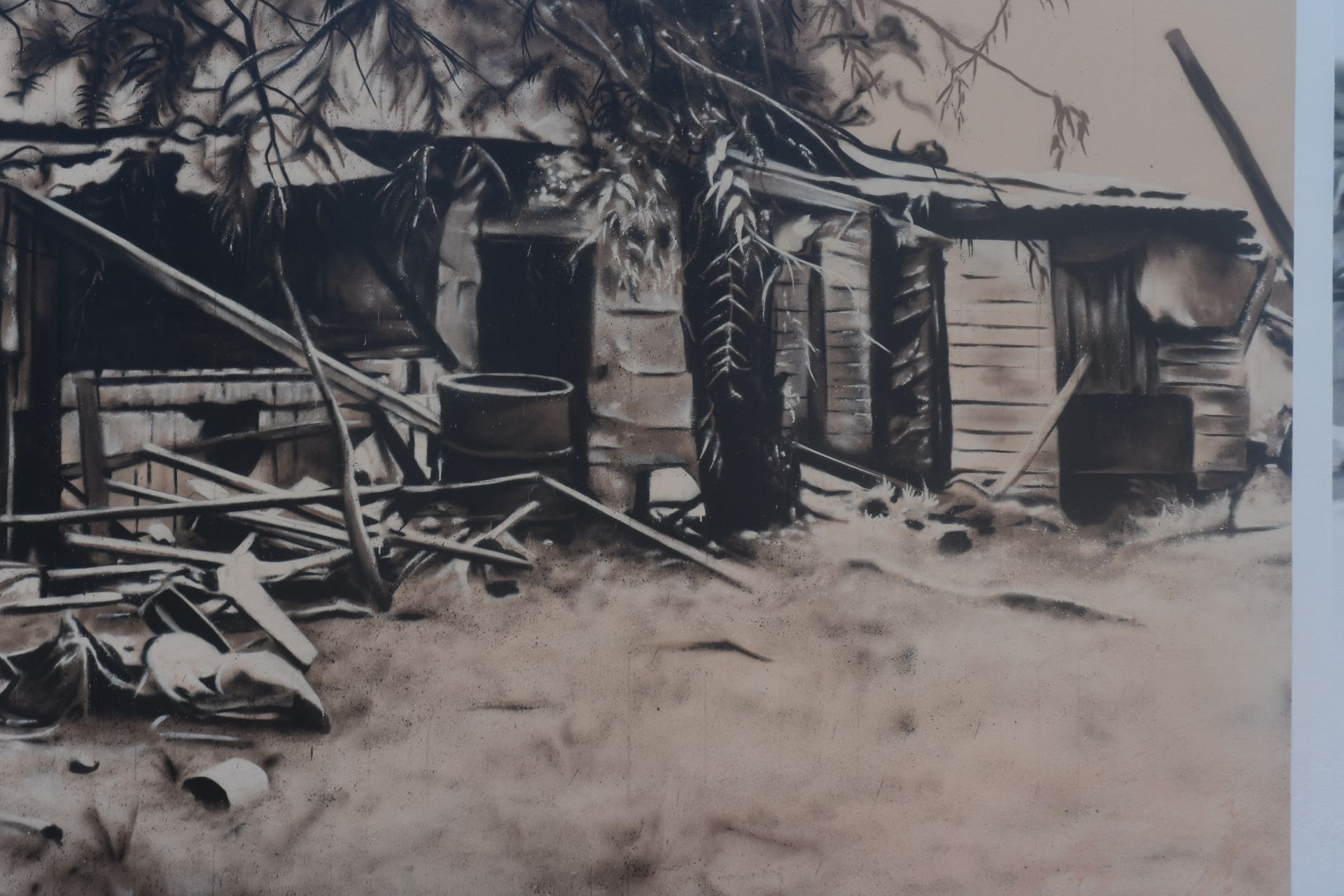
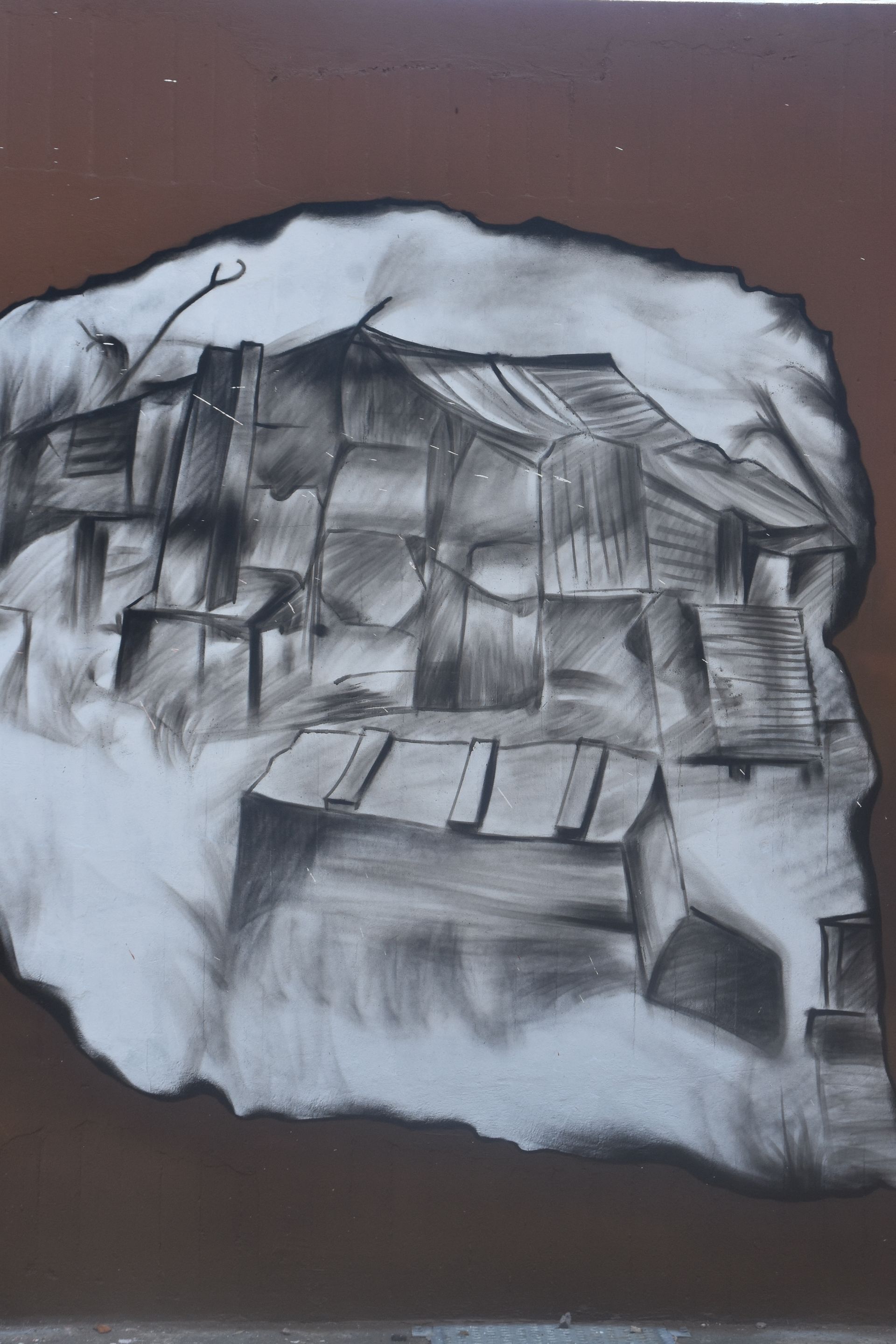
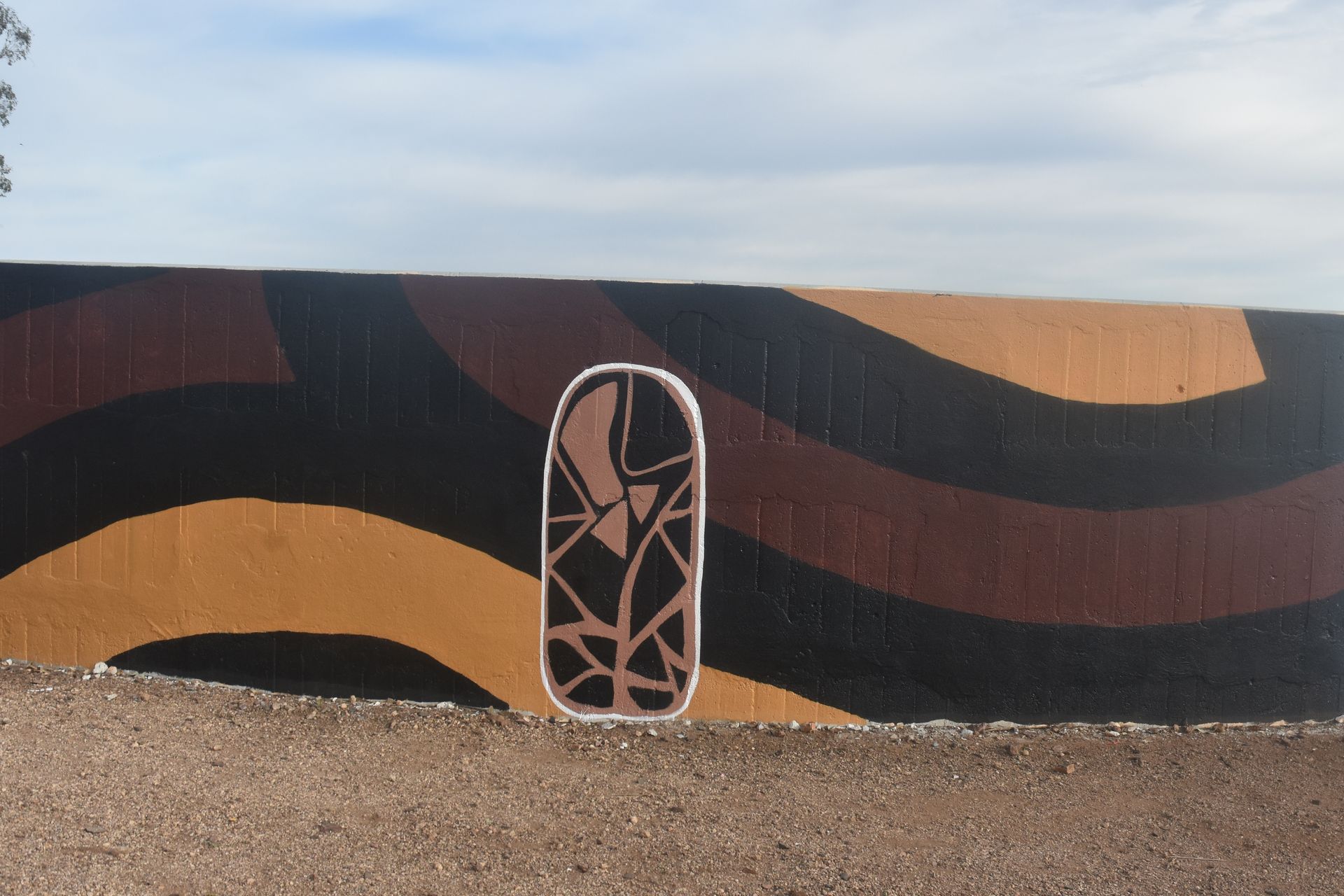
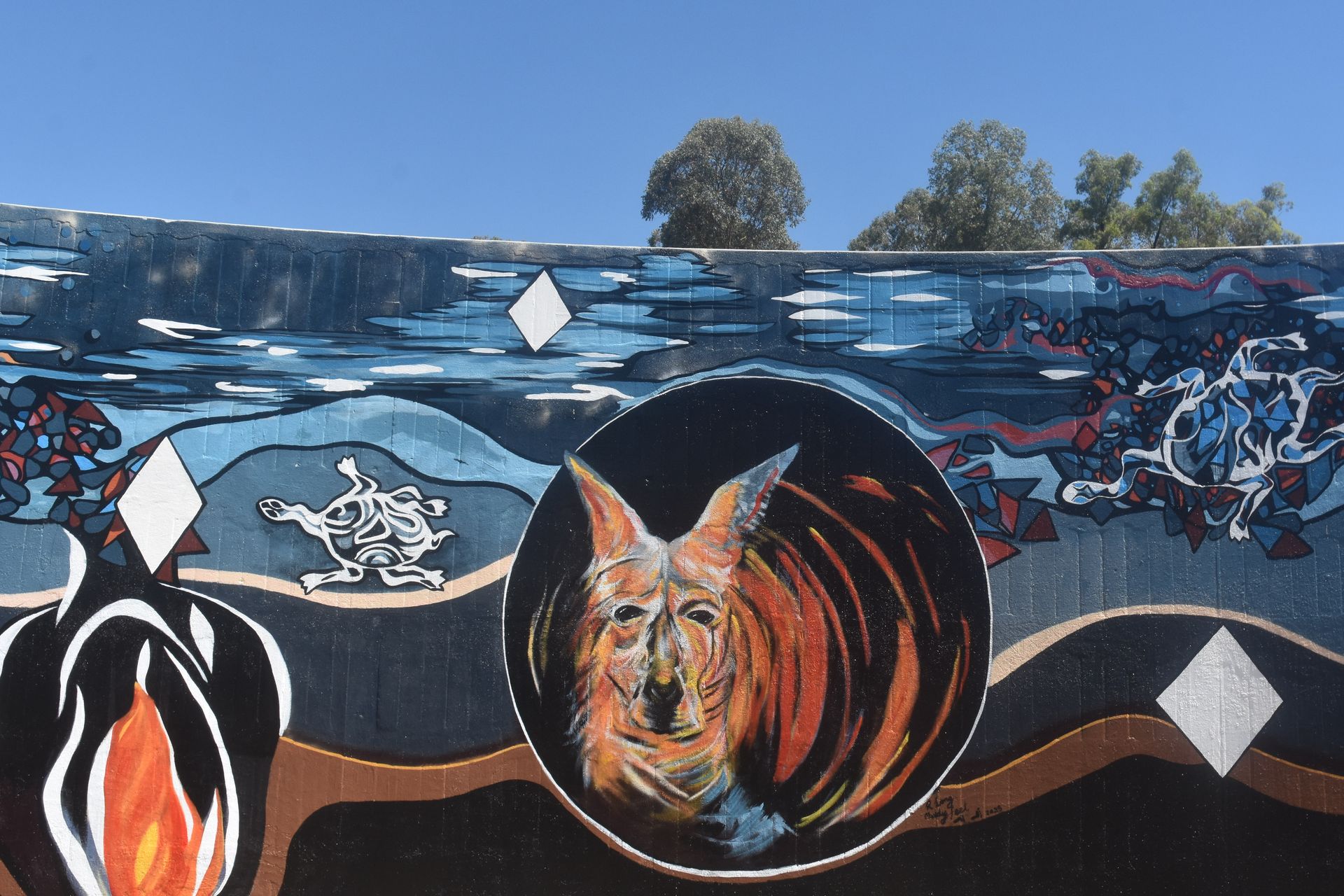
Best known locally for the Dorothea Mackellar silo artwork, Heesco has now painted half of the tank inside and out, drawing inspiration from the site’s history and the families who once lived there. On the other half, artist Ronnie Long created imagery of local animals and totems, reflecting the Aboriginal cultural perspective of the area.
The project was coordinated by Owen Hasler on behalf of the Gunnedah Urban Landcare Group.
Pensioners Hill – Recollections of the 1940’s – 1960’s
by Dulcie Mitchell and Judy Walters
This information was gathered by Judy Walters and transcribed by her granddaughter Merinda Walters.
It is based on the lived experiences of Judy and her mother Dulcie.
The information may not be entirely accurate but is representative of personal stories and recounts.
Judy’s mother’s maiden name was Dulcie Roser. Dulcie was believed to be 13 in 1942.
Dulcie’s mother was Elsie May Firebrace/Roser/Talbot.
Dulcie’s first marriage was to Allan Mitchell in 1945 and she held the surname Mitchell during the period that the following information is in reference to:
Life on Pensioners Hill was built on close neighbours, shared hardship, and quiet acts of kindness. Families lived side by side in a mix of rough shanties and the occasional “real house,” like the Elliotts’, which stood proudly among the tin and timber homes. Nearby lived the Hodgens, the Smalls, the Talbots, and many others, all connected through family, friendship, and survival.
Days were shaped by simple routines and hard work. Children walked to school together, and families relied on each other. Rabbiting helped put food on the table, and when a sheep was shared, it was divided fairly. Homes changed hands over time, like the little red shanty once bought from travelling gypsies, and later sold as families moved about the hill.
Water was a constant challenge. Dulcie and her siblings would walk to the reservoir, hauling heavy kerosene tins or loading drums onto a billy cart, making trip after trip to supply their household. It was tiring work, but simply part of daily life.
The hill was also full of memorable characters. Minnie Haha, a German woman rumoured by some to be a spy, lived in a shack made from flattened tins, yet was remembered for her kindness. The Saunders family built a proper home, though their story was marked by loss when Mr Saunders never returned from the war.
Through joy and hardship alike, the community endured. Families grew, moved on, and new ones arrived, but the spirit of Pensioners Hill remained—resilient, resourceful, and deeply connected.
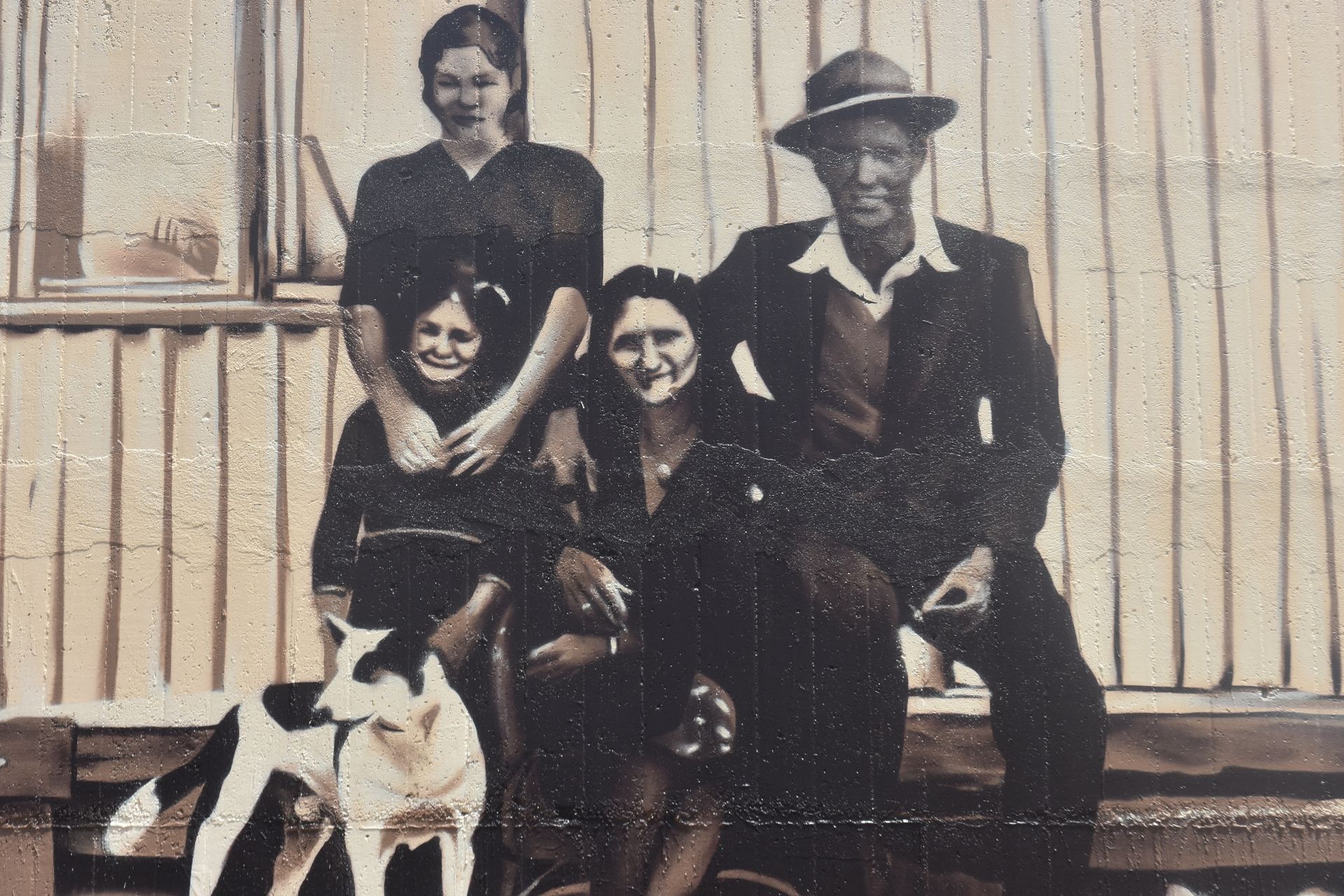
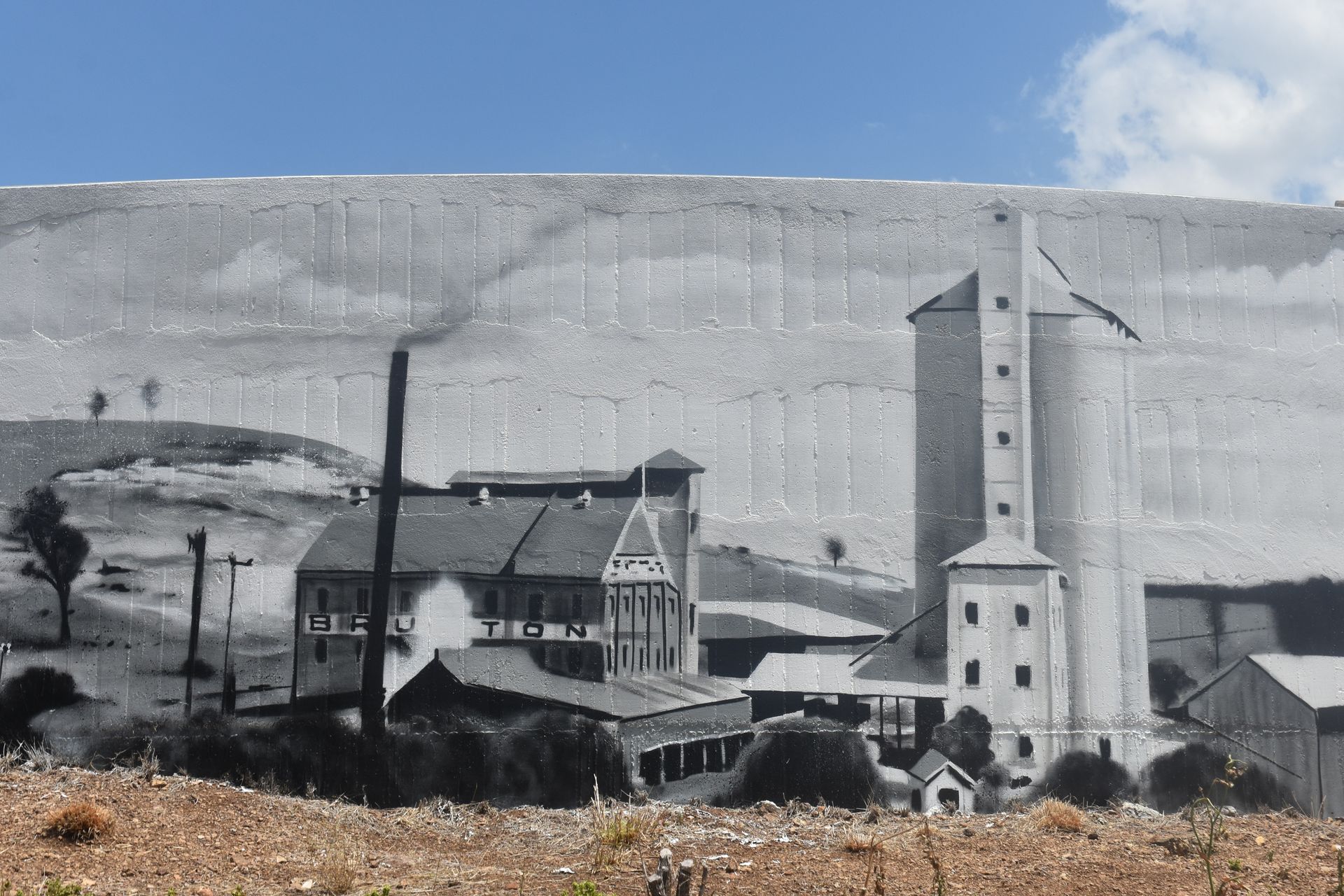
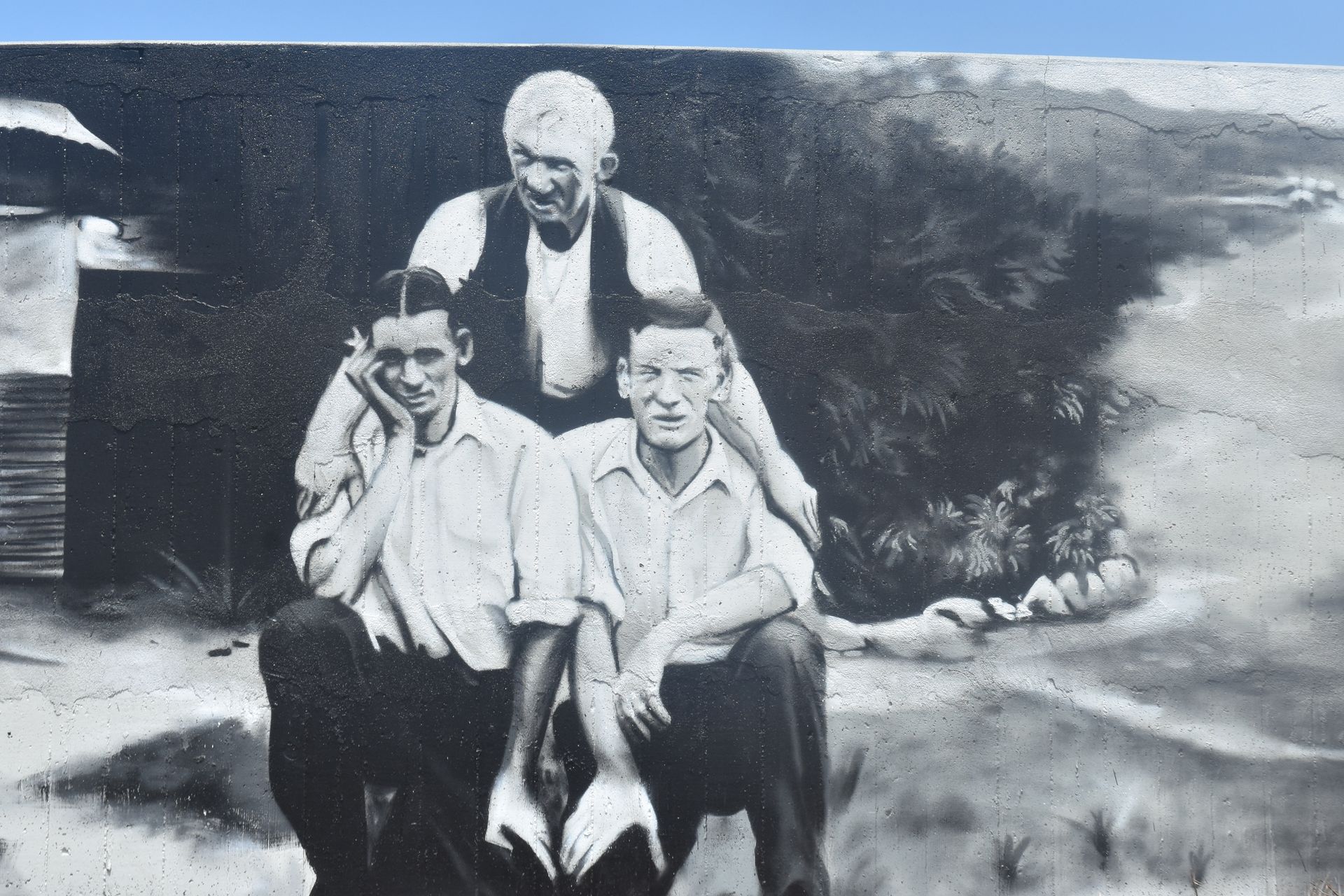
Photos by: Owen Hasler
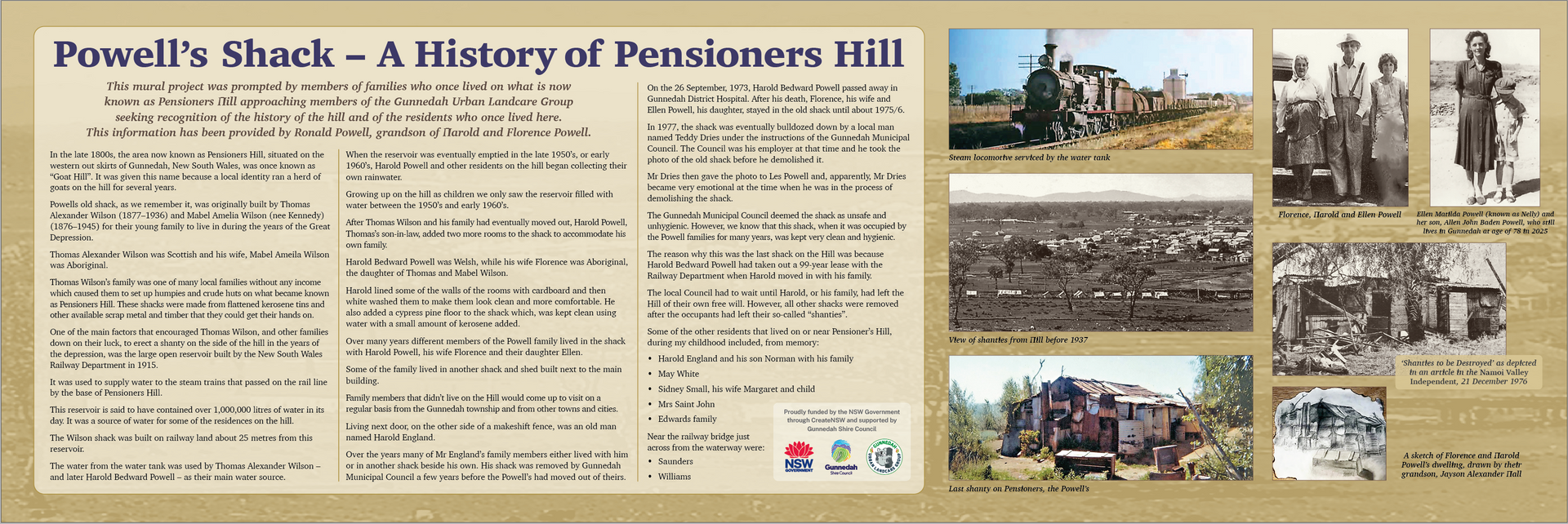
Powell’s Shack – A History of Pensioners Hill
Pensioners Hill, on the western outskirts of Gunnedah, was once known as “Goat Hill,” named after a local herd of goats. During the Great Depression, families facing hardship built makeshift homes on the hill using scrap materials. Among them was Thomas Alexander Wilson and his wife Mabel, who established a small shack near a large railway reservoir built in 1915 to supply steam trains.
The reservoir, holding over one million litres of water, became a vital resource for residents. After it was decommissioned in the late 1950s, families, including the Powells, relied on collected rainwater.
Harold Bedward Powell, Wilson’s son-in-law, expanded the original shack to house his family. He and his wife Florence, daughter of Thomas and Mabel, raised their family there. Despite its humble construction, the shack was carefully maintained, with lined walls and a cypress pine floor.
Pensioners Hill was home to a small but close-knit community, with several families living in nearby shacks and regularly visiting one another.
After Harold Powell’s death in 1973, his wife Florence and daughter Ellen remained until the mid-1970s. In 1977, the shack—by then the last remaining on the hill—was demolished by the local council. Though officially deemed unsafe, it had long been a clean and cared-for home.
The Powell shack stood as a lasting symbol of resilience, community, and the lives of those who called Pensioners Hill home.